
GUIYANG: As part of the ongoing 2026 China Storyteller Partnerships program, an international delegation of journalists and digital media influencers visited the iconic “Red Ribbon” project in Guizhou, where they experienced a powerful fusion of history, technology and cultural storytelling.
The Red Ribbon project stands as a flagship landmark of the Long March National Cultural Park, designed to preserve and promote the enduring spirit of the Long March symbolizing resilience, unity, sacrifice and unwavering commitment to national development. Delegates described the site as both inspiring and innovative, offering a unique perspective on China’s revolutionary history.
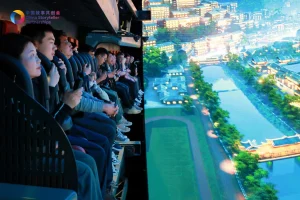
Widely recognized as the world’s first immersive digital experience center dedicated to the Long March, the project integrates advanced technologies with historical narratives to create a deeply engaging visitor experience. Delegates were particularly impressed by how the center seamlessly combines modern digital tools with traditional storytelling, making history accessible and meaningful for contemporary audiences.
During the visit, participants explored the interactive exhibits that utilize cutting-edge technologies such as artificial intelligence, virtual reality, holographic imaging and 3D soundscapes. These features recreate the journey of the Long March with remarkable realism, allowing visitors to experience key historical moments in a vivid and immersive manner. Delegates praised this innovative approach, noting that it transforms traditional historical education into a dynamic and engaging experience.
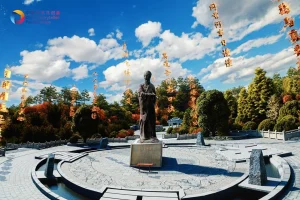
A central highlight of the visit was the immersive performance titled “The Red Ribbon: Great Journey,” which guides visitors through six pivotal chapters of the Long March. Delegates described the experience as a “walking theater,” where storytelling unfolds in a multi-dimensional format, combining visual, auditory and emotional elements. The performance left a strong impression on participants, who appreciated the depth and creativity of the presentation.
The architectural design of the project also drew admiration. Inspired by the concept of the “Red Ribbon of Earth,” the structure symbolizes a continuous thread of heroism and perseverance. Delegates noted that the design itself serves as a powerful visual representation of China’s historical journey and collective memory.
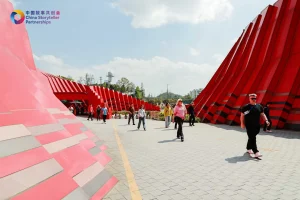
Participants emphasized that the Red Ribbon project represents an excellent example of how culture, technology and tourism can be integrated to create meaningful experiences. They highlighted its role in promoting “red tourism,” which not only preserves historical heritage but also connects younger generations with important national narratives.
Throughout the visit, members of the delegation actively documented their experiences, sharing insights and visuals with international audiences. Many expressed admiration for the project’s ability to bridge the past and present, creating a platform where history resonates with modern society.
The visit to the Red Ribbon project left a lasting impression on the delegation, who praised it as a model of innovation in cultural preservation. By merging advanced technology with historical storytelling, the project demonstrates how heritage can be reimagined in ways that are both educational and engaging.

As the 2026 China Storyteller Partnerships program continues, experiences like this are helping to showcase Guizhou’s rich historical legacy and innovative spirit, strengthening cross-cultural understanding and highlighting China’s commitment to preserving and sharing its heritage with the world.

